
The most prevalent point-of-view used by writers today is the third-person limited POV (sometimes spread across multiple characters), as well as the first-person POV.
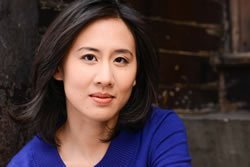
It’s pretty rare to find a contemporary novel written with an omniscient narrator—which is why Celeste Ng found it a terrifying realization, while writing her first novel, that her story required one. She says:
The idea made me incredibly uncomfortable. To me, omniscient narrator called to mind the Dickens model: a Big Booming Voice who bossed the characters around, a know-it-all who judged everything. Someone very unlike me. As a shy person, I’d always rather listen than talk, and I seldom feel comfortable making definitive pronouncements.
But she found a way of thinking about it that made it work. Click here to read her entire essay on the “quiet” omniscient narrator, which appears in the latest Glimmer Train bulletin.
Other pieces in the bulletin:
- The Place Where Writing Grows by Natasha Tamate Weiss
- On Quelling Writerly Doubts by Molly Antopol
- Some Material May Not Be Suitable for Children by Peter Sipe
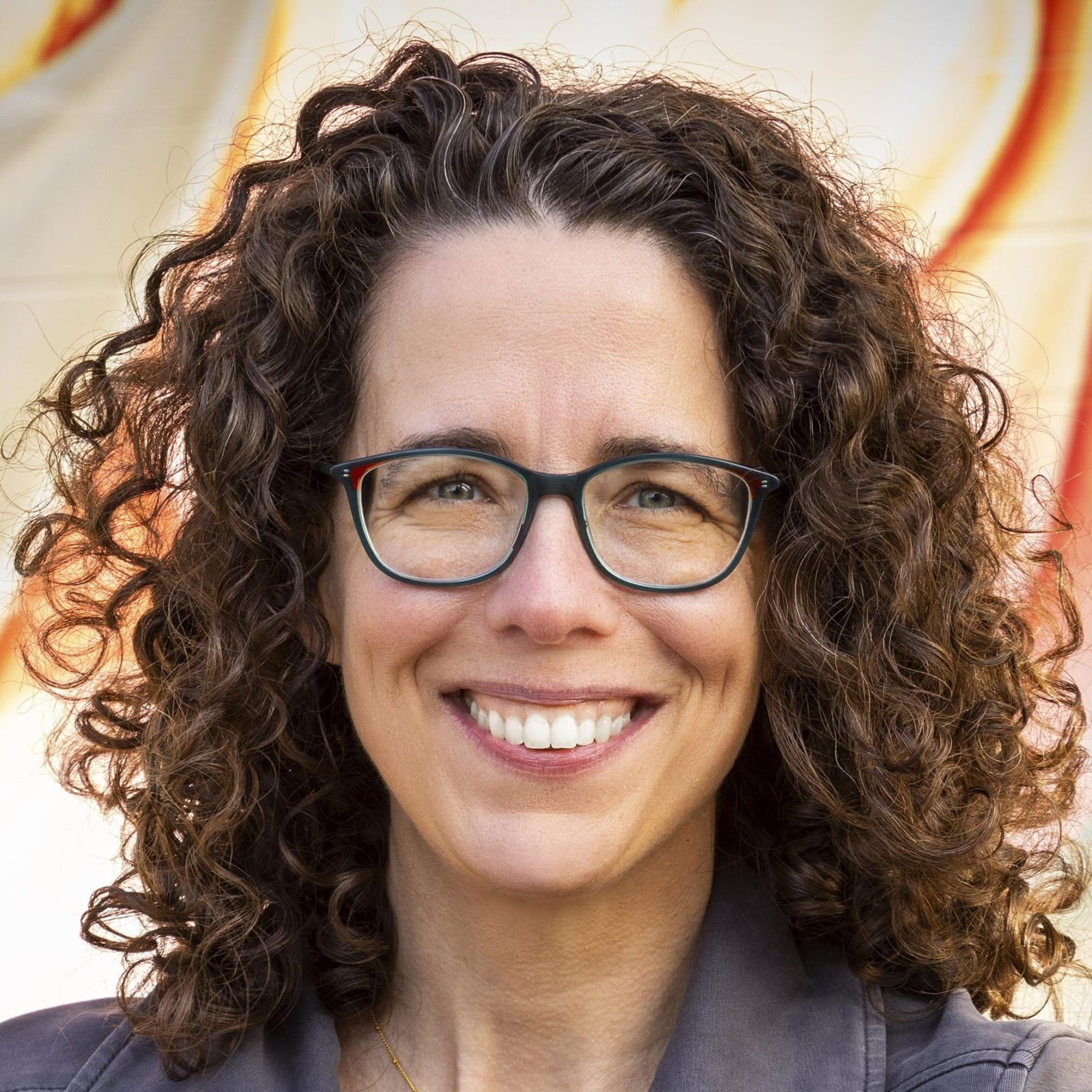
Jane Friedman has spent her entire career working in the publishing industry, with a focus on business reporting and author education. Established in 2015, her newsletter The Bottom Line provides nuanced market intelligence to thousands of authors and industry professionals; in 2023, she was named Publishing Commentator of the Year by Digital Book World.
Jane’s expertise regularly features in major media outlets such as The New York Times, The Atlantic, NPR, The Today Show, Wired, The Guardian, Fox News, and BBC. Her book, The Business of Being a Writer, Second Edition (The University of Chicago Press), is used as a classroom text by many writing and publishing degree programs. She reaches thousands through speaking engagements and workshops at diverse venues worldwide, including NYU’s Advanced Publishing Institute, Frankfurt Book Fair, and numerous MFA programs.




Makes good sense, though examples would’ve been helpful
I’m surprised to hear third person is what most novels are written in now. It feels as if every book I pick up is first person (which I dislike).
[…] Ng has written a guest post at Jane Friedman’s blog on “The Challenges and Opportunities of an Omniscient POV” which introduces her fears of using the omniscient point-of-view (POV) and sends you off to […]